Archivi tag: nail

Why is it important to remove lifts?

Welcome back to a new article!

I recently talked about why lifts are created and how to avoid having them.

Today I want to talk about the importance of removing them.

Let’s start!

Aesthetics

Let’s say that our reconstruction was created with a clear and during this refill we don’t want to apply the color.

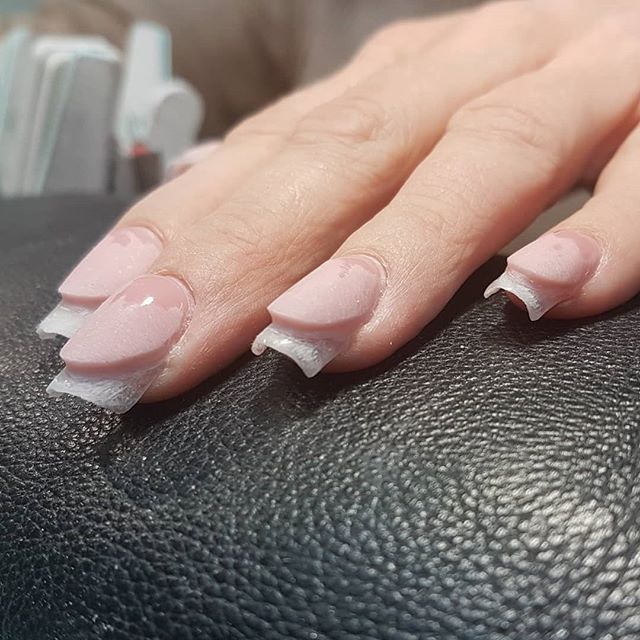
Once the old one is removed, you will find that you have created a bubble between product and nail.

If we ignore it, and decide not to remove it, covering the new portion of nail with the transparent gel, we will see that unsightly white patch.

If we want to do a well done job, especially on an aesthetic level, it is good to remove all the whitish halos of the lifts.

Other lifts

We always assume that you have removed the color from a reconstruction and first noticed, and then ignored a lift.

So we decide to apply new product in the new nail, above that bubble.

Since at that point the product is detached from the nail, if by chance a shot is taken, that portion already raised, would also detach the new product from the nail, which has also been applied for a few days.

To avoid this happening, it is good to remove all bubbles, in order not to compromise the life of the product.

Bacteria and Mycosis

I think this is the most important reason among the three.

Between the nail and the product, if there is the right adherence, nothing can enter.

However, if a lifting occurs, it could happen that due to the humidity that is created and all the microparticles that are going to fit underneath, they could lead to a nail disease.

We know very well that mycosis and bacteria lurk in the dust and would be very serious if they were deposited on the nail.

If you ignore a lift, covering it in turn in a refill, below it would create the ideal environment for the proliferation of mycosis and bacteria.

In this case, most of all, it is very important to remove the raised product, paying close attention, to avoid possible diseases.

These are the main reasons for removing a lift from a reconstruction.

I recommend, if you liked the article, it was useful to leave a like and share.

Follow me on instagram!

See you soon!

SOFIA
Perchè è importante rimuovere i sollevamenti?

Bentornati su un nuovo articolo!

Recentemente ho parlato del perchè i sollevamenti si creano e come evitare di averli.

Oggi voglio invece parlarvi dell’importanza che ha rimuoverli.

Iniziamo!

Estetica

Mettiamo caso che la nostra ricostruzione è stata creata con un clear e durante questo refill non vogliamo applicare il colore.

Una volta tolto quello vecchio dunque si scoprirà di aver creato una bolla tra prodotto e unghia.

Se lo ignoreremo, e decidiamo di non levarlo, ricoprendo la nuova porzione di unghia con il gel trasparente, vedremo quella antiestetica chiazza bianca.

Se vogliamo fare un lavoro ben fatto, soprattutto a livello estetico, è bene rimuovere tutti gli aloni biancastri dei sollevamenti.

Altri sollevamenti

Ipotizziamo sempre di aver rimosso il colore da una ricostruzione e aver prima notato, e poi ignorato un sollevamento.

Decidiamo così di applicare nuovo prodotto nell’unghia nuova, al di sopra di quella bolla.

Siccome in quel punto il prodotto è staccato dall’unghia, se per caso si prendessa un colpo, quella porzione già sollevata, farebbe distaccare dall’unghia anche il nuovo prodotto, applicato anche da pochi giorni.

Per evitare dunque che questo si verifichi è bene rimuovere tutte le bolle, per non compromettere la durata del prodotto.

Batteri e Funghi

Questo penso sia il motivo più importante tra i tre.

Tra l’unghia e il prodotto, se c’è la giusta aderenza, niente può entrare.

Se però si verifica un sollevamento, potrebbe succedere che a causa dell’umidità che si viene a creare e tutte le microparticelle che si vanno ad incastrare là sotto, potrebbero portare ad una malattia dell’unghia.

Sappiamo molto bene che i funghi e i batteri si annidano nella polvere e sarebbe molto grave se si depositassero sull’unghia.

Se si ignora un sollevamento, ricoprendolo a sua volta in un refill, al di sotto di esso si creerebbe l’ambiente ideale per la proliferazione di funghi e batteri.

In questo caso più di tutti è importantissimo rimuovere il prodotto sollevato, prestando molto attenzione, per scongiurare possibili malattie.

Questi sono i motivi principali per rimuovere un sollevamento da una ricostruzione.

Mi raccomando,se l’articolo vi è piaciuto e stato utile lasciate un like e condividete.

Seguitemi pure su instagram!

Alla prossima!

SOFIA

Under-glass effect Nail Art

Welcome back to my blog!

Today I want to show you possible nail art that can be created under glass.

Let’s start!

Under glass effect

As I had already explained in this article , the glass technique consists in creating a decoration below the apex.

Generally, to make this we use clear builders, so that we can perceive the depth of the decorations we have chosen.

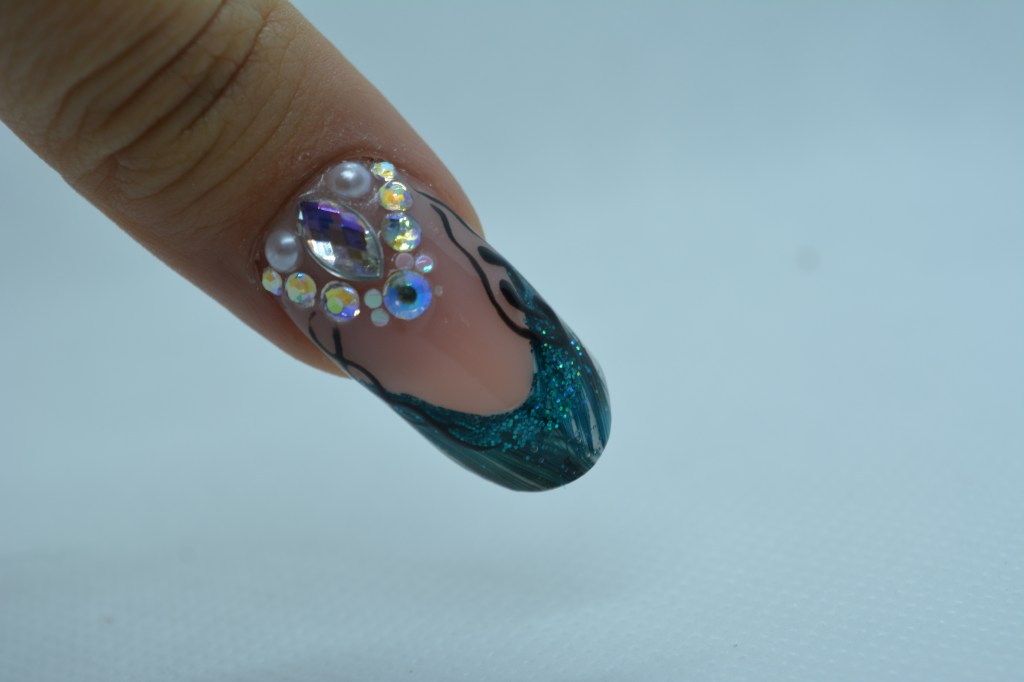
Feather

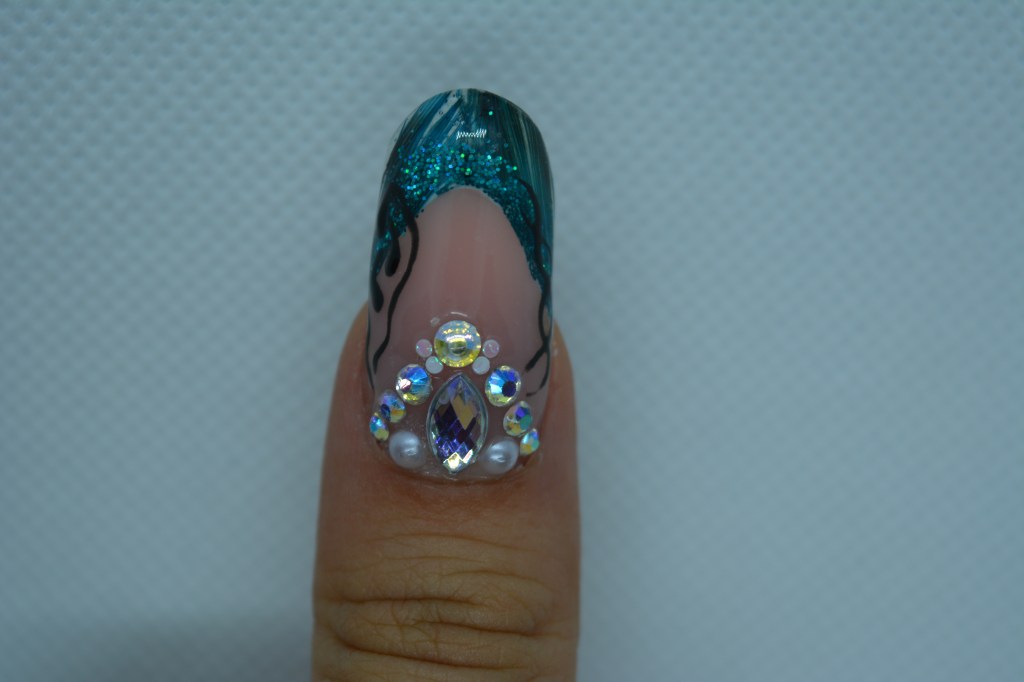
In this nail I decided to create a deep and inverse french. In the bezel I applied a white color so that the blue color of the feather could stand out.

I then added some glitter, sealed it all with a transparent builder and added the final details.

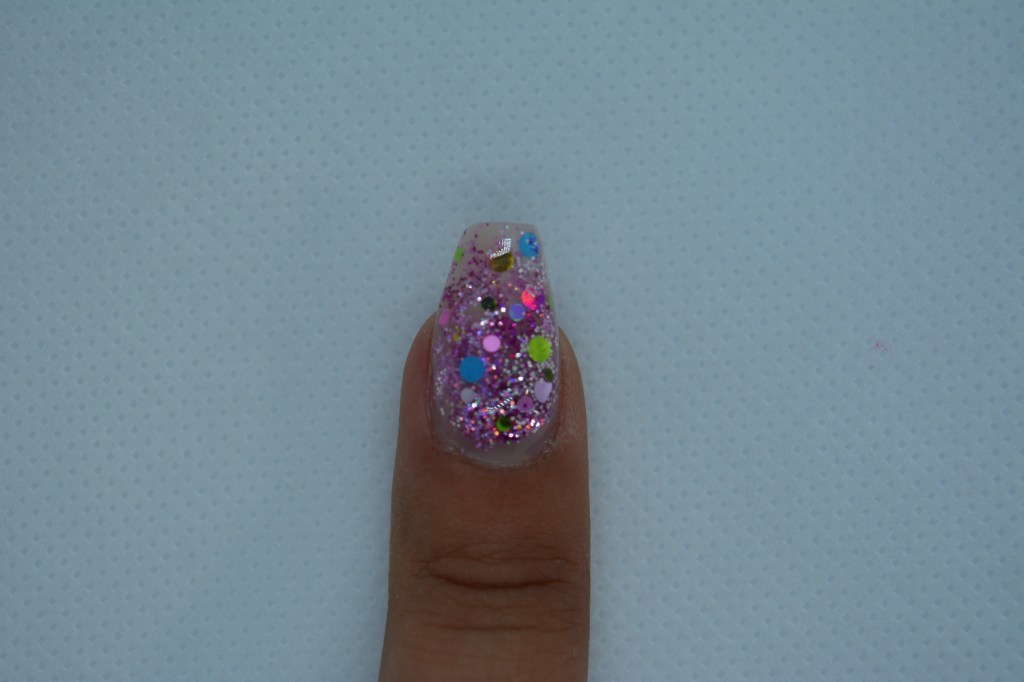
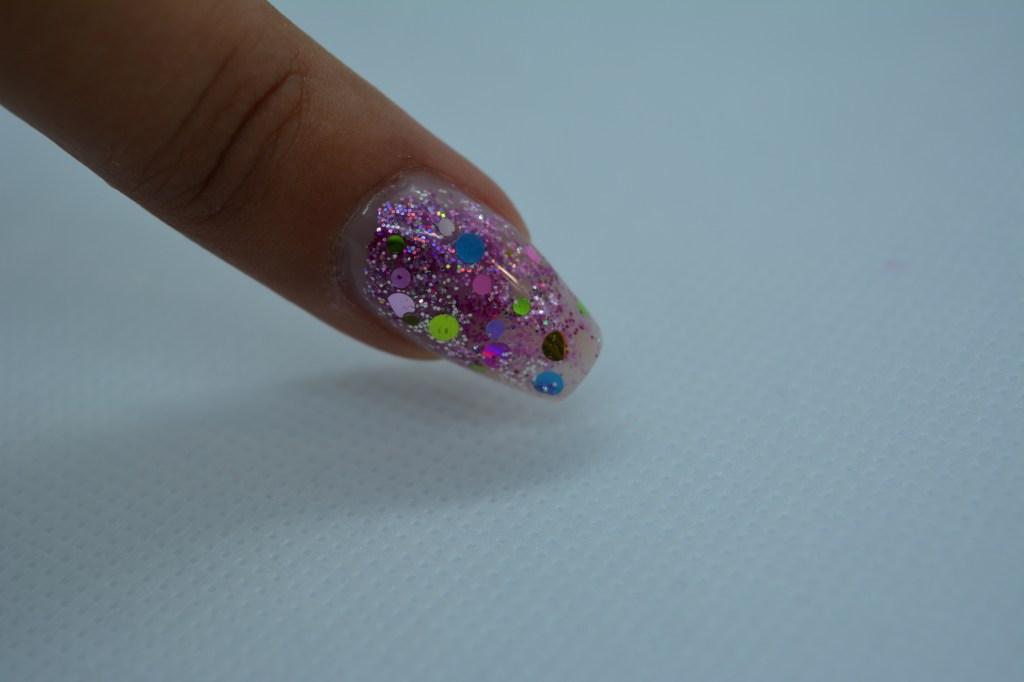
Glitter

I propose this design again.

On a ballerina shape, I applied several types of glitter , but also colored rods . You may also notice the difference in depth between the various layers, which is what makes this style beautiful.

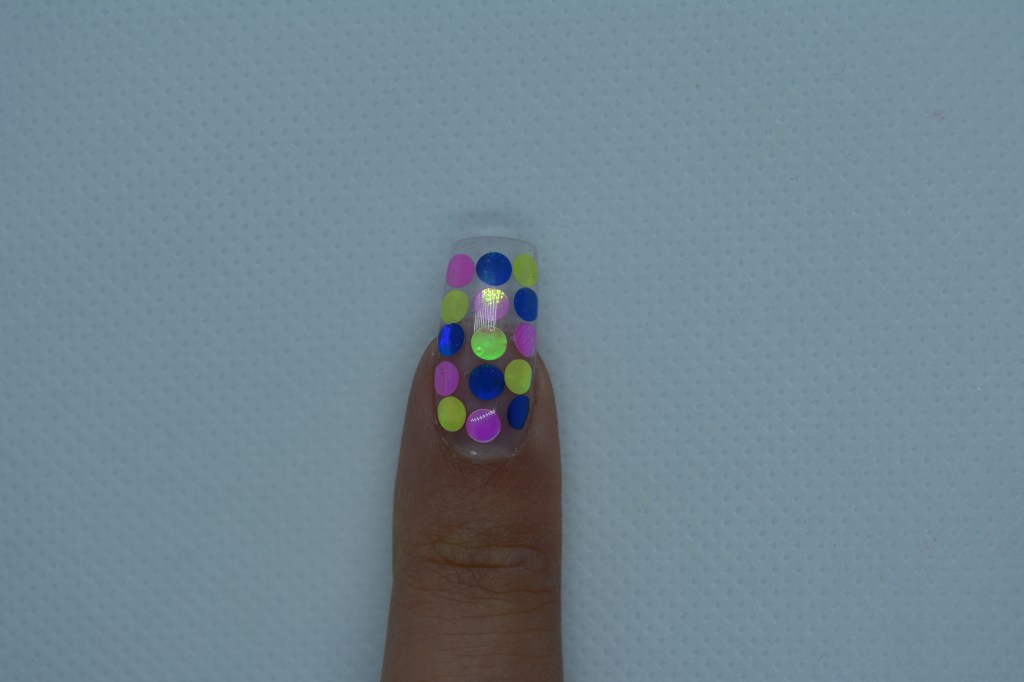
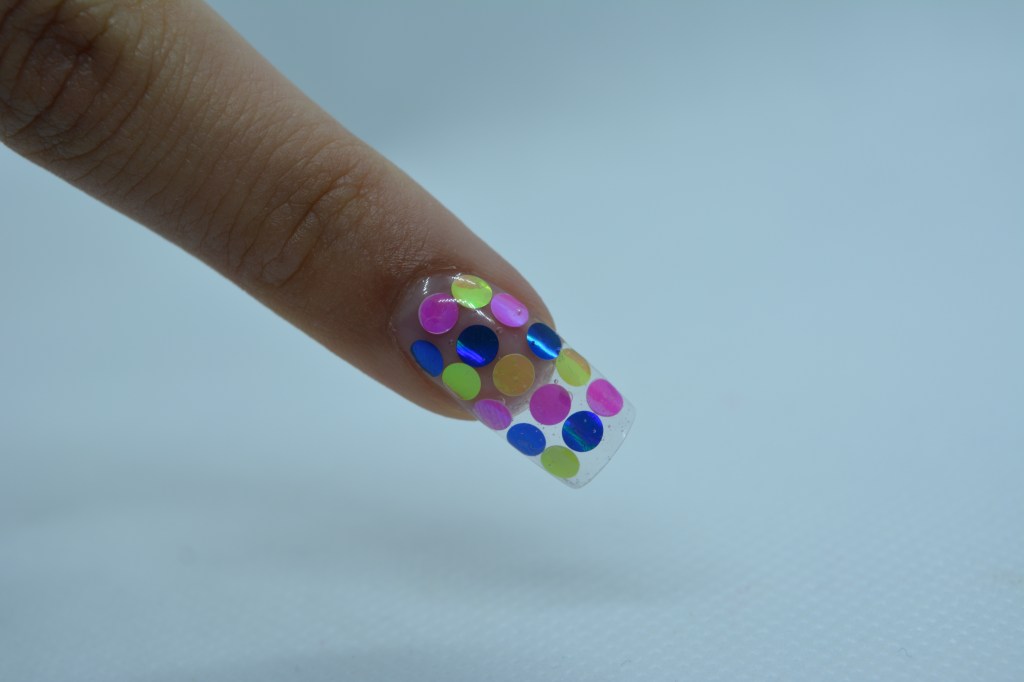
Confetti

The round shape of these decorations makes them look like confetti.

Here on a square shape, I applied the confetti following an order.

On my instagram you will see the mini-video where I polish this design, letting the beauty of these dots come out.

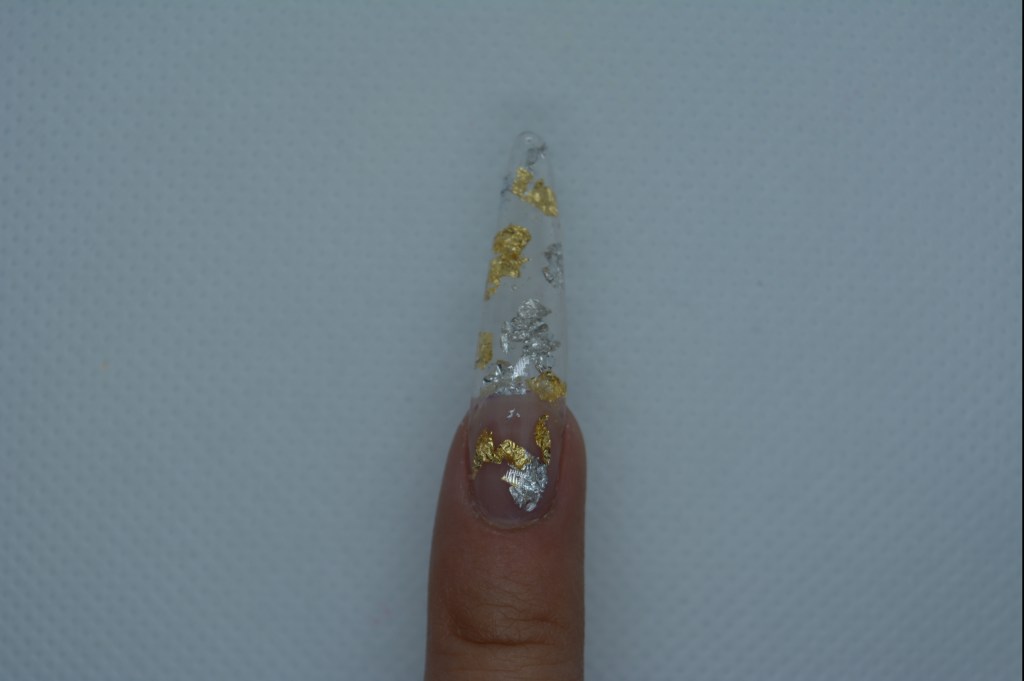
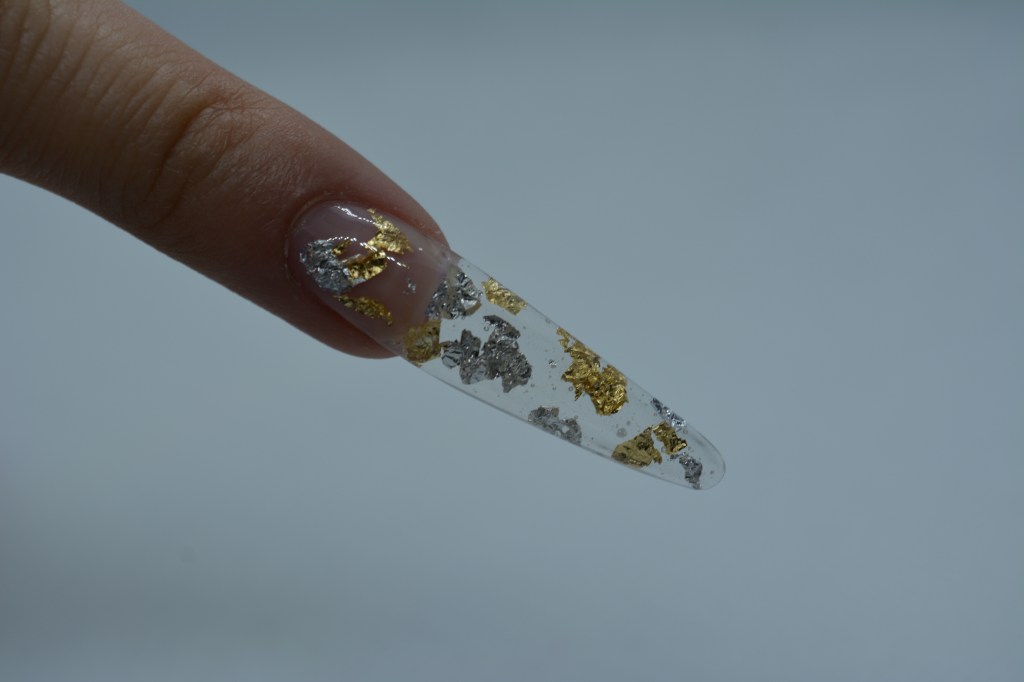
Gold leaf

On this important form, which is the stiletto, I applied below the apex the golden leaves, also in silver color.

These are the ideas I wanted to offer you today, if you follow me on instagram you will find my other works.

Today’s article ends here, I hope you enjoyed it and see you soon!

SOFIA
Nail Art effetto sottovetro

Bentornati sul mio blog!

Oggi voglio illustrarvi possibili nail art che si possono creare sottovetro.

Iniziamo!

Sottovetro

Come già avevo spiegato in questo articolo, la tecnica sottovetro consiste nel creare un decoro al di sotto della bombatura.

In genere per fare ciò si utilizzano dei builder clear, in modo che si possa percepire la profondità delle decorazioni da noi scelte.

Piuma

In questa unghia ho deciso di creare una french profonda e inversa. Nella lunetta ho applicato un colore bianco in modo che il colore azzurro della piuma potesse risaltare.

Ho poi aggiunto dei glitter, sigillato il tutto con un costruttore trasparente e aggiunto i dettagli finali.

Glitter

Ripropongo questo design.

Su una forma a ballerina, ho applicato parecchie tipologie di glitter, ma anche dei tondini colorati. Si può anche notare la differenza di profondità tra i vari strati, ed è ciò che rende bello questo stile.

Coriandoli

La forma tonda di queste decorazioni le fa assomigliare a dei coriandoli.

Qui su una forma squadrata, ho applicato seguendo un ordine i coriandoli.

Sul mio instagram potrete vedere il mini-video dove lucido questo design, facendo uscire la bellezza di questi pallini.

Foglia d’oro

Su quest’importante forma, che è lo stiletto, ho applicato al di sotto della bombatura delle foglie d’oro, anche in colorazione argentata.

Queste sono le idee che ho voluto proporvi oggi, se mi seguite su instagram troverete altri miei lavori.

L’articolo di oggi finisce qui, spero che vi sia piaciuto e alla prossima!

SOFIA

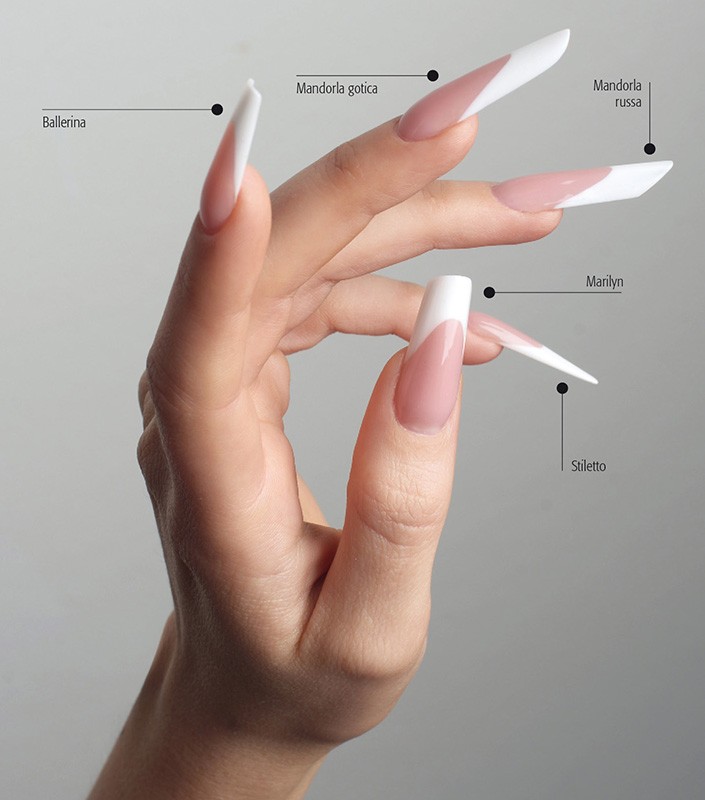
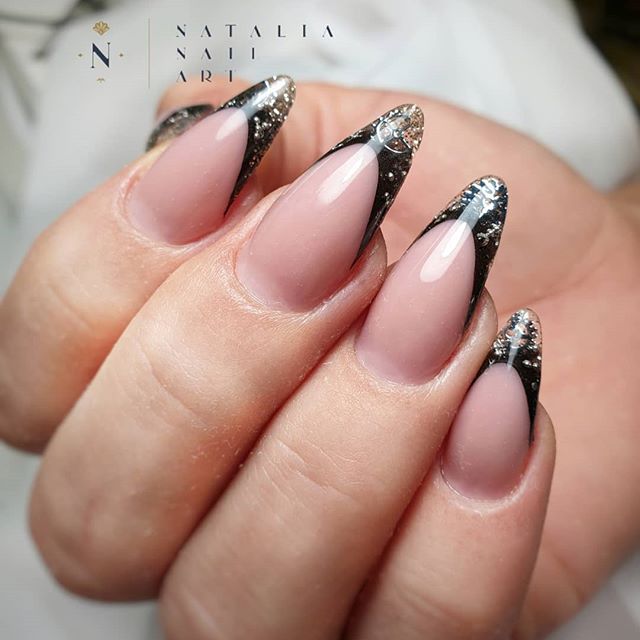
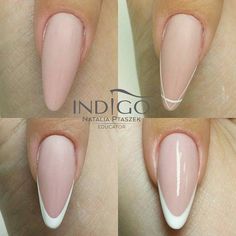
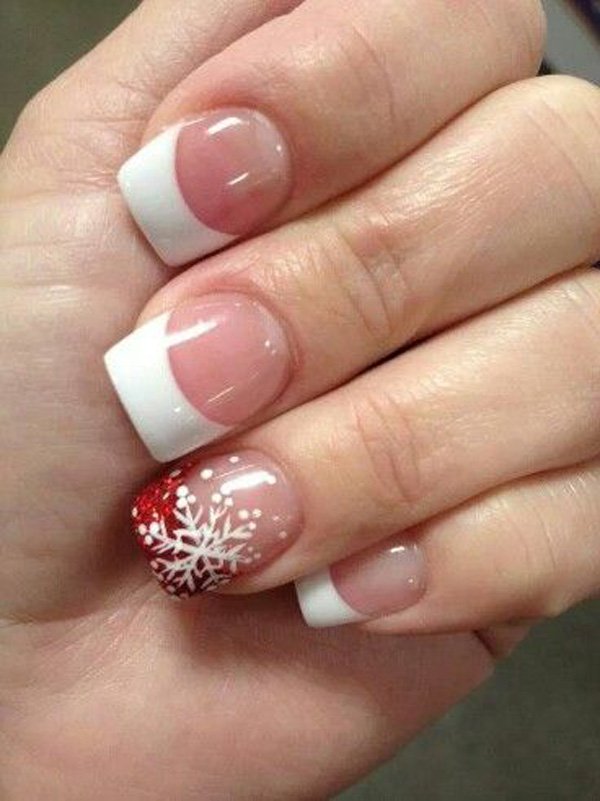
French Manicure: All types of a timeless classic

Welcome back!

Today I want to talk about the best known nail art: French Manicure.

I will illustrate the various typologies and I will explain in short the realization, let’s start!

French in Surface

This is the easiest to make and in the salons it is the most common one, for the speed of realization.

This typology can be realized both with polish, gel polish, gel and acrylic.

This is because you can draw it on a nude toned color or pink base, the white edge on the tip.

Easy to make, in the salons it is often made also for the convenience in the removal, since it is drawn on the surface.

Deep French

The Deep French is achievable in combination with a reconstruction.

After performing the stretch, proceed using a white gel or acrylic builder to create the edge.

All this before creating the apex, for this it takes the name of deep.

So once you have drawn the edge with white, you can proceed with the structure above, with a clear builder.

This type of French is recommended for those with a rather long nail bed by nature.

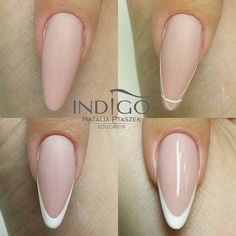
Deep and Reverse French

The procedure of this type is very similar to the previous one, but has variations.

Also this must be created below the structure and on a stretch in gel or acrylic.

In addition, you need to create what is called a “wall”, with a gel cover.

The gel cover is pink and you need to create the inverse of the white edge.

Once you have created this guideline, just place the white builder next to the pink one and you’re done.

This technique is used to create French on nail beds with color alterations, or on the most extreme and long forms.

Both this type and the previous one require more time and in the refill they will never be completely eliminated, because below the structure itself.

Speaking of french, we think of white to create the edge but of course we can choose the colors we prefer.

In the end the result should always be the same, without noticing the difference in technique used.

That’s all for today’s article, I hope I have clarified any doubts about the difference between the three techniques.

If you liked the article, share it and like it, see you soon!

SOFIA

French Manicure: Tutte le tipologie di un classico senza tempo

Bentornati!

Oggi voglio parlarvi della nail art e manicure più conosciuta: La French.

Illustrerò le varie tipologie e spiegherò in breve la realizzazione, iniziamo!

French Superficiale

Questa è la più facile da realizzare e nei saloni è quella più comune, per la velocità di realizzazione.

Questa tipologia si può realizzare sia con smalto, semipermanente, gel e acrilico.

Questo perchè basterà disegnare sopra una base color carne o rosa, la lunetta bianca in punta.

Facile da realizzare, nei saloni è realizzata spesso anche per la comodità nella rimozione, dato che è disegnata in superficie.

French Profonda

La French Profonda è realizzabile in abbinata ad una ricostruzione.

Dopo aver eseguito l’allungamento, si procede utilizzando un gel o acrilico builder bianco per creare la lunetta.

Tutto ciò prima di realizzare la bombatura, per questo prende il nome di profonda.

Quindi una volta disegnata la lunetta con il bianco, si può procedere con la struttura al di sopra, con un builder clear.

Questo tipo di French è consigliato a chi ha un letto ungueale piuttosto lungo di natura.

foto non mia

French Profonda e Inversa

Il procedimento di questa tipologia è molto simile a quella precedente, ma ha delle varianti.

Anche questa va creata al di sotto della bombatura e su di un allungamento in gel o acrilico.

In aggiunta bisogna creare quel che si chiama muretto, con un gel cover.

Il gel cover è rosa e bisogna creare l’inverso della lunetta bianca.

Una volta creata questa linea guida, basterà adagiare il builder bianco accanto a quello rosa e il gioco è fatto.

Questa tecnica è usata per creare french su letti ungueali con discromie, oppure sulle forme più estreme e lunghe.

foto non mia

Sia questo tipo che quello precedente richiedono tempi di realizzazione più lunghie e nel refill non verranno mai eliminati completamente, perchè al di sotto della struttura stessa.

Parlando di french, si pensa al bianco per reare la lunetta ma ovviamente ci si può sbizzarrire e scegliere i colori che più si preferiscono.

Alla fine il risultato dovrebbe essere sempre lo stesso, senza notare la differenza di tecnica usata.

Questo è tutto per l’articolo di oggi, spero di aver chiarito eventuali dubbi sulla differenza delle tre tecniche.

Se questo articolo vi è piaciuto lasciate un like e condividete.

Non dimenticate di seguirmi su Instagram e sul mio canale YouTube!

Alla prossima!

SOFIA

Come applicare i Glitter

Bentornati!

Oggi voglio spiegare i vari modi che esistono per applicare i glitter sulle unghie, dando vari effetti differenti.

In questo articolo non ci saranno foto perchè voglio dedicare un articolo apposito a mostrare la realizzazione di ciò di cui parlerò oggi.

Iniziamo!

Glitter e Top Coat

Il primo metodo di cui voglio parlarvi è uno dei più semplici.

In pratica bisogna utilizzare un top coat trasparente, metterlo su un piano in cui poi possiamo prelevarlo nuovamente e aggiungere i nostri glitter, a piacimento.

Questo è un trucco molto comodo perchè ci permette di creare il nostro colore glitterato,senza però acquistarlo.

Utilizzando questa tecnica si può decidere quali e quanti colori utilizzare, ma soprattutto la quantità di glitter che vogliamo.

Se volessimo far intravedere il colore al di sotto, si mettono meno glitter, se invece si volesse ricoprire completamente l’unghia, allora si abbonda con i glitter.

Effetto Zucchero

Questo è un effetto molto particolare perchè evidenzia la texture del glitter.

Infatti si potrà sentire il ruvido del brillantino.

Per realizzare questo effetto bisogna procurarsi un colore senza dispersione o un top coat sempre senza dispersione.

Si comincia applicando il colore senza dispersione oppure il colore a piacimento e in seguito il top e senza polimerizzare si ricopre l’unghia con i glitter.

Dopo aver polimerizzato con una spazzolina si rimuovono i glitter in eccesso ed è fatta.

Effetto Sottovetro

Questo è un altro metodo di utilizzo dei glitter.

Consiste nell’applicare i brillantini prima di creare la struttura.

Dunque dopo aver creato l’allungamento, si applicano i glitter sulla dispersione e in seguito si crea la struttura.

Questo è un bell’effetto perchè si percepisce la profondità dei glitter.

Glitter a “Pioggia”

Perdonate questo gioco di parole, non sapevo come altro spiegarlo 😂.

In pratica dopo aver applicato un colore a nostro piacimento, si fanno cadere i glitter a pioggia sull’unghia, ricoprendola completamente.

Una volta polimerizzato, si applica al di sopra un top coat, possibilmente piuttosto liquido, in modo che penetri bene tra le particelle dei glitter. Dopo questo passaggio si passa sopra il classico top coat.

Questo metodo permette di avere la bellezza dei brillantini, senza però percepirne la loro grana, a differenza dell’effetto zucchero.

Questi sono i modi principali di applicare i glitter, spero di esservi stata utile e nell’articolo di domenica vi mostrerò i vari risultati che si possono ottenere.

Se questo articolo vi è piaciuto mettete mi piace e condividete. Alla prossima!

SOFIA

Nail Art for special occasions

Hi everyone!

Today I come back with an article that will show you various nail art.

As a theme, I chose special occasions , or those occasions when you need to show off your impeccable nails!

Let’s start!

Wedding

The first special occasion that came to mind is that of Wedding

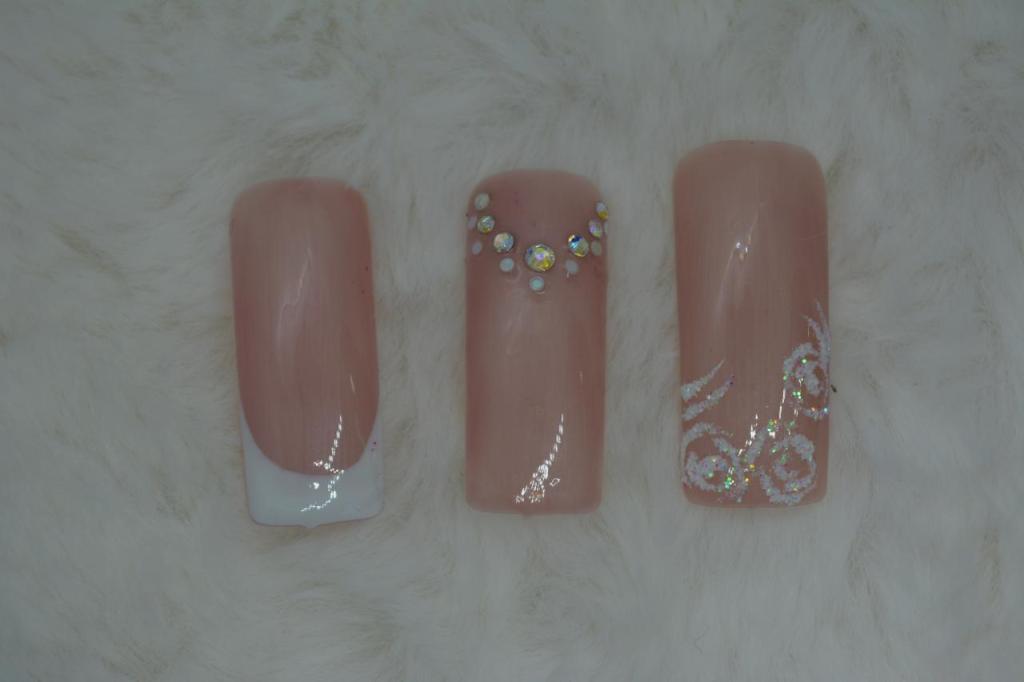
I thought of pairing , with a hypothetical white and candid dress, the elegance of the French manicure.

Among the brides, in fact, French manicure is very popular, because it always remains classy and you never get tired of it. I also created with the same color tones roses that I then sprinkled with glitter, to create a shiny sugar effect.

In order not to make the other two too flat, I chose to apply rhinestones that capture the light on a pink nail.

Watchword: Elegance

Birthday

Another important circumstace to celebrate is that of birthday.

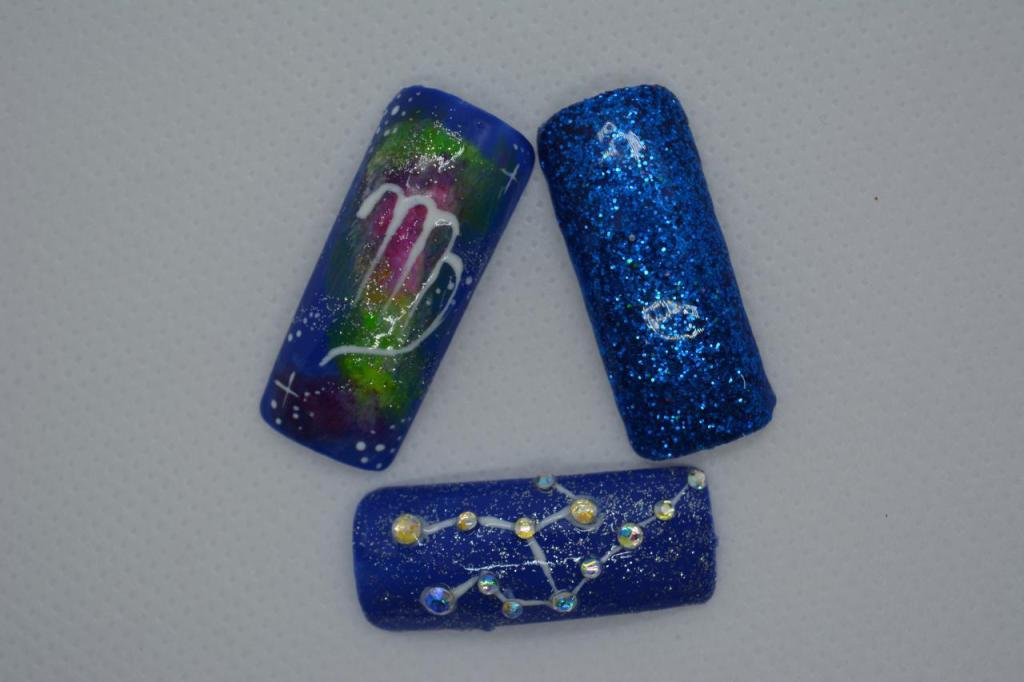
Probably on your birthday you would like the nails combined with the dress to wear. But I wanted to stay general, choosing to create this nail art a little starry.

As we all know, every birth date corresponds to a zodiac sign.

I combined a simple glittery nail with the stylized representation of the sign, but also with the constellation.

I designed the sign of the Virgin, because I was born in September, but obviously you can recreate it with all the other eleven.

Watchword: Sparkle

Christmas

I know, I know, we are in the middle of July and we die from the heat, but how could I exclude Christmas? 😂

At Christmas nail technicians will be filled with typical requests , such as red, white, green and Santa’s little drawing, and the star etc. ..

Following this thread I created white stars with a sugar effect on a red background, a candy stick and the writing ‘Merry Christmas‘(Buon Natale in Italian), studded with silver glitter.

Watchword: Merry

Holidays

Even the departure for the holidays is a good excuse to show off flawless nails.

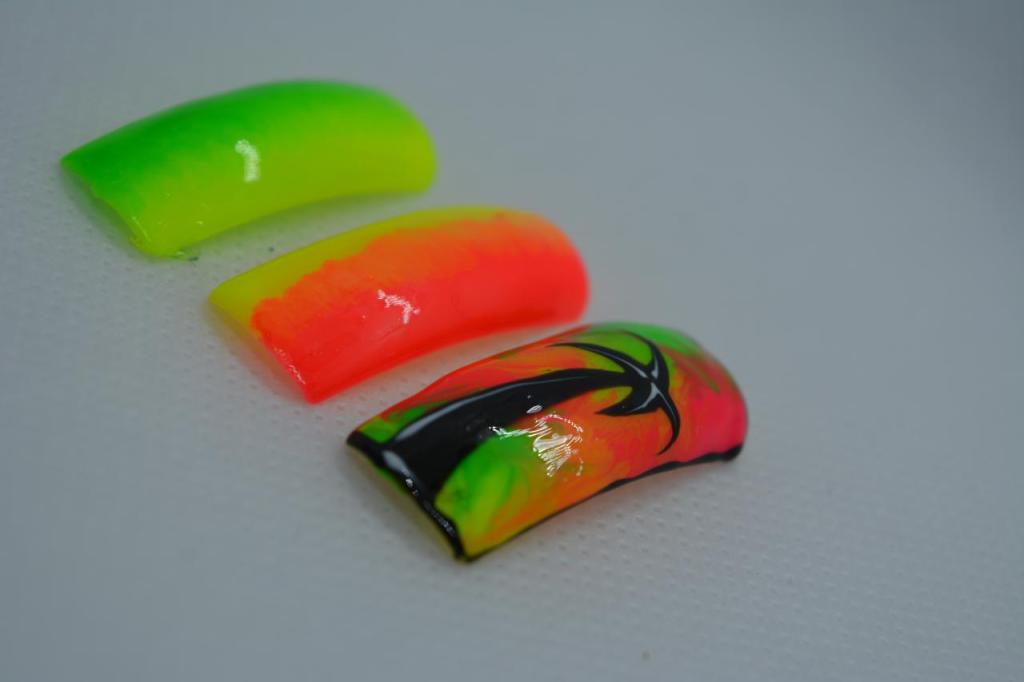
As I already mentioned in my article on summer nail art , the importance lies in the color tones. I opted for a Fluo color shade , contrasted with the black of the palm . If you think of holidays, the first thing that comes to mind is the sea, an island and coconut trees.

Watchword: Fluo Colors

These were my ideas, if you have other special occasions in mind, write me as well that I could make some more.

If you enjoyed this article, share it with whomever you want, see you soon!

SOFIA
Nail Art per ogni occasione

Ciao a tutti!

Oggi torno con un articolo che vi mostrerà varie nail art.

Come tema ho scelto le occasioni speciali, ovvero quelle occasioni in cui oltre all’abito e al trucco, bisogna sfoggiare delle unghie impeccabili!

Cominciamo!

Matrimonio

La prima occasione speciale che mi è venuta in mente è quella del matrimonio.

Ho pensato di abbinare, ad un ipotetico bianco e candido vestito, l’eleganza del french.

Tra le spose infatti il french è molto popolare, perché rimane sempre fine e non stufa mai. Ho anche realizzato con la stessa tonalità di colori delle rose che ho poi cosparso di glitter, per creare un luccicante effetto zucchero.

Per non rendere troppo piatte le altre due, ho scelto di applicare su un’unghia tutta rosa degli strass che catturano la luce.

Parola d’ordine: Eleganza

Compleanno

Un altro momento importante e da festeggiare è quello del compleanno.

Probabilmente al proprio compleanno si vorrebbero le unghie abbinate al vestito da indossare. Però sono voluta restare sul generale, scegliendo di creare questa nail art un po’ stellata.

Come tutti sappiamo, ad ogni data di nascita corrisponde un segno zodiacale.

Ho abbinato una semplice unghia glitterata, alla rappresentazione stilizzata del segno, ma anche a quella della costellazione.

Ho disegnato il segno della Vergine, perchè sono nata a Settembre, ma ovviamente si può ricreare con tutti gli altri undici.

Parola d’ordine: Scintillio

Natale

Lo so, lo so, siamo in pieno luglio e si muore dal caldo, però come potevo escludere il Natale? 😂

Le onicotecniche a Natale saranno riempite di richieste tipiche, tipo il colore rosso, bianco, verde e il disegnino di babbo natale, e la stellina etc..

Seguendo questo filo ho creato delle stelline bianche effetto zucchero su uno sfondo rosso, un bastoncino di zucchero e la scritta ‘Buon Natale‘, tempestata di brillantini argentati.

Parola d’ordine: Festosità

Vacanze

Anche la partenza per le vacanze è una buona scusa per sfoggiare delle unghie impeccabili.

Come già citavo nel mio articolo sulle nail art estive, l’importanza risiede nelle tonalità di colore. Ho optato per una sfumatura tra colori fluo, messa in contrasto con il nero della palma. Se si pensa alle vacanze la prima cosa che viene in mente è il mare, un’isola e le palme da cocco.

Parola d’ordine: Fluo

Queste erano le mie idee, se avete in mente altre occasioni speciali, scrivetemi pure che potrei realizzarne delle altre.

Se questo articolo vi è piaciuto, condividete pure con chi volete, un abbraccio e alle prossima!

SOFIA

Cuticle Oil, dear nail’s friend

Welcome back! After the last article I come back with a more informative one.

Today I want to talk about a product that is often overlooked or ignored: Cuticle Oil. Let’s start!

What is it

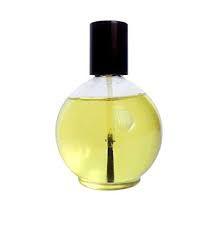
As the name suggests, this product is an oil created specifically to be applied on cuticles. Or rather on the skin around the nail, also called proximal nail fold.

I have specified because, because of the little information, we are convinced that the skin is called cuticle but it is not so. That’s the proximal nail fold, while the white portion that grows on the nail plate is the cuticle.

Soon I will write a more in-depth article on this nail element.

Features

These oils are created on purpose for the nails and surrounding skin.

You might think that a any oil could be fine to apply on the nail plate but it isn’t.

The nail composed by keratin has a porous surface that allows only certain molecules to penetrate inside.

If you want to save money, you might think that using the simple olive oil can help moisturize and strengthen your nails.

However, the surface of the nail plate prevents the larger molecules of olive oil to penetrate, and its use become useless.

This is why industries create suitable products, whose particles manage to penetrate both in skin and nails , making them useful.

cuticle oil

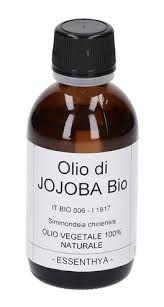
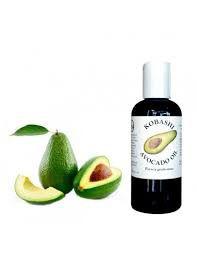
As an alternative to the oils created by the various brands, you can use the vegetable oils of Jojoba and Avocado. These have features that make them functional to the nails.

Function

What is then cuticle oil for?

It is additional nourishment to the nail .

As I already explained in the article on false myths nails get nourishment from blood vessels.

We can help them by applying with constancy these specific oils that will make our nails more flexible and nourished .

There is also a detail that not everyone knows.

It would be good to apply the oil not only at the end of a gel / acrylic or gel polish treatment, but throughout the duration of the treatment.

In doing so, the skin around the nail will always be hydrated and will not be particularly hard at the time of the refill, helping the work of the nail tech.

In addition the gel / acrylic will remain more flexible if oil is used, making the removal easier, after the hypothetical 3 weeks of the duration of the reconstruction.

For this reason nail techs are required to advise their customers on the use of the oil every day.

Advertising Stunt

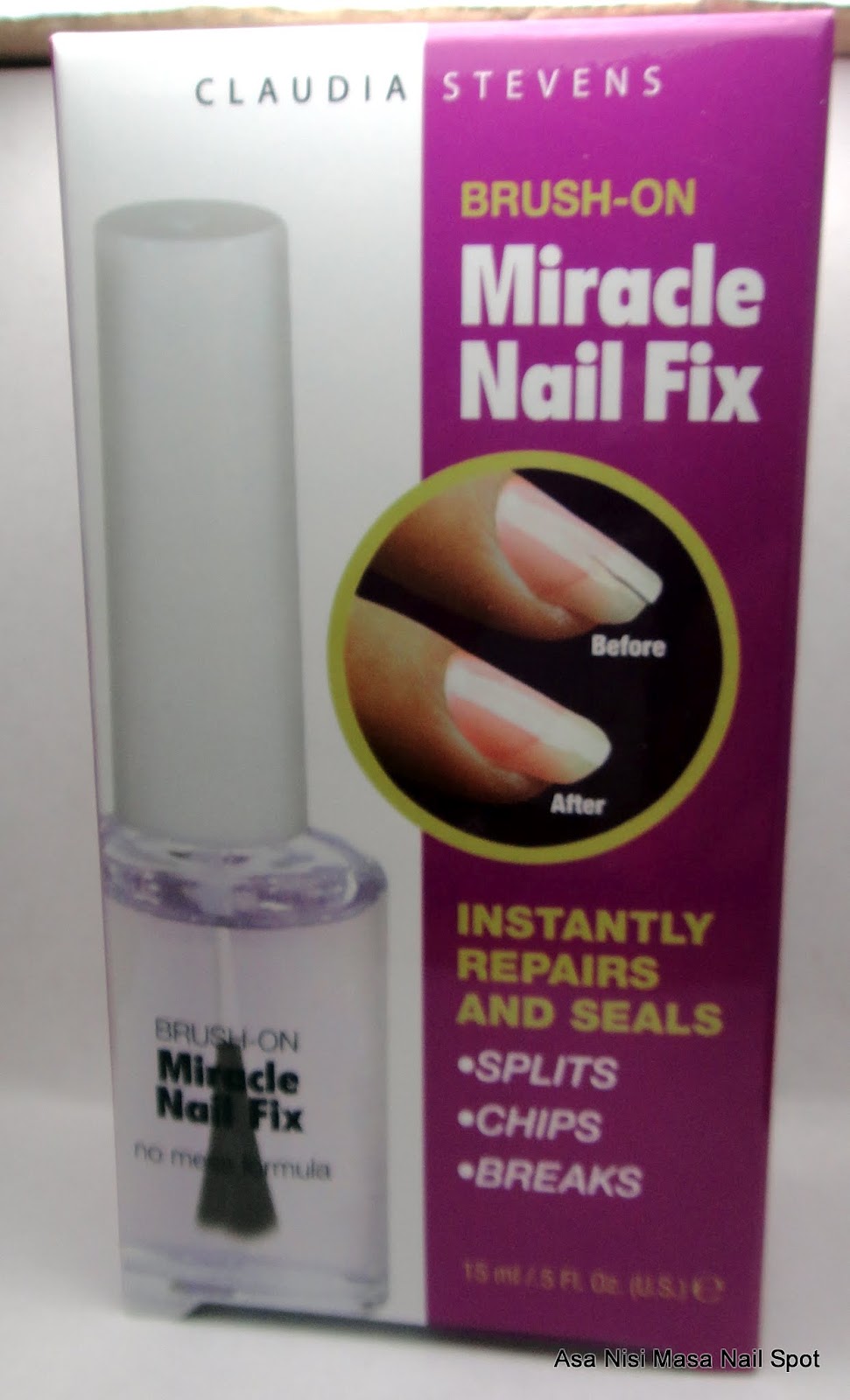
Beware of products that say they nourish and strengthen your nails based on various vitamins or keratin.

As I said before, the nail only allows certain molecules to penetrate and you shouldn’t buy these products that applied above the nail claims miraculous results.

As I was saying on the article of the acrigel , the various companies try to inflate and exaggerate the results of their products, so that people can buy them.

There is no need to spend a lot of money on products that will then prove useless.

this is an exemple of ads stunts

With a few euros and a lot of consistency you can get much better results thanks to the use of cuticle oil.

In conclusion I advise everyone to use the oil daily, for the health and well-being of your nails.

I hope you enjoyed this article and as always if you want you can share it with whomever you want.

See you soon!

SOFIA