Archivi tag: file

How the E-file changed my work

Welcome back to my blog!

Today I want to tell you about my experience with the electric file!

Let’s start.

As I said a while ago, besides being able to manually file with files, there is a tool that I imagine has helped all the nail technicians: the E-file.

If you want to know a little more, I invite you to read the article where I add some details.

But today I want to talk to you through various points about how I found myself.

Less effort

With the file, you must always do the same movement manually, which in the long run becomes tiring for the arms and hands.

As long as we talk about refining all 10 fingers, fatigue can be tolerated, but imagine having to refill most of the product with the file.

I obviously tried this on my skin and after a client I was exhausted.

The E-file helped me make less effort, because you don’t have to move your arm anymore.

Less time

Obviously we take less time to do a reconstruction, not so much because the process is faster with the E-file, but because I avoid the pauses due to back, arms and hands fatigue.

More precision

You are more accurate while removing the lifts.

As you know it is very important to remove them and with the file you succeed, but in a less effective way than with the e-file.

Using a suitable bit, you can remove exactly the portion that is raised, without affecting the remaining work.

Working with the e-file or with the files?

So it’s better to work with the electric or manual one?

It depends.

Meanwhile, each operator chooses her way of working.

If you want you can start from the preparation and get to polishing with just the electric one or just the files.

This is the habits and needs of those who work.

Personally, I like to alternate between the e-file and manual file.

During the preparation I use the files, I feel I have more control over the instrument and I feel the strength I put into performing the action.

The electric one is useful for me when I have to remove more product, without doing too much effort.

Using the right bits you will get a good job.

Obviously, however, to refine everything, if I find that I don’t like something, I use the file on which I feel more in control.

In short, I alternate depending on what I need, file and e-file.

And you? How did you find yourself when you used the electric file for the first time?

For me it was a great thrill to be able to afford it!

Today’s article ends here, I hope you enjoyed it and let me know your experience.

If you liked it, leave like and share it!

Don’t forget to follow me on Instagram and on my channel YouTube!

See you soon!

SOFIA

Come mi è cambiato il lavoro con la fresa

Bentornati sul mio blog!

Oggi voglio raccontarvi la mia esperienza con la fresa!

Iniziamo.

Come già dicevo un po’ di tempo fa, oltre a poter limare manualmente con le lime, esiste uno strumento che immagino abbia aiutato tutte le onicotecniche: La fresa

Se volete sapere qualcosina in più vi invito a leggere l’articolo dove aggiungo qualche dettaglio.

Oggi invece voglio, attraverso vari punti parlarvi di come mi sono trovata.

Meno Fatica

Con la lima, bisogna fare manualmente sempre lo stesso movimento, che alla lunga diventa faticoso per le braccia e per le mani.

Finchè si parla di rifinire tutte le 10 dita, la fatica si può sopportare, però immaginate di dover ad ogni refill o ricostruzione limare via la maggiorparte di prodotto con la lima.

Io ovviamente ho provato sulla mia pelle ciò e dopo una cliente ero esausta.

La fresa mi ha aiutato a fare meno fatica, perchè non bisogna più muovere il braccio, fa tutto la punta!

Meno tempo

Ovviamente ci impiego meno tempo a fare una ricostruzione, non tanto perchè con la fresa è più veloce il procedimento, ma perchè evito le pause dovute alla fatica di schiena, braccia e mani.

Più precisione

Con più precisione intendo nella rimozione dei sollevamenti.

Come sapete è molto importante rimuoverli e con la lima ci si riesce, ma in modo meno efficace che con la fresa.

Utilizzando una punta adatta, si potrà rimuovere esattamente la porzione che è sollevata, senza intaccare il restante lavoro.

Lavorare con la fresa o con le lime?

Dunque è meglio lavorare con la fresa o con le lime?

Dipende.

Intanto ogni operatrice sceglie il suo modo di lavorare.

Volendo si può partire dalla preparazione e arrivare alla lucidatura con solo la fresa o solo le lime.

Questo sta alle abitudini e alle esigenze di chi lavora.

Personalmente mi piace alternare l’utilizzo di fresa e lime.

Durante la preparazione uso le lime, sento di avere maggiore controllo dello strumento e sento la forza che metto nel compiere l’azione.

La fresa mi è utile invece quando devo rimuovere più prodotto, senza fare troppa fatica.

Utilizzando le punte adatte si otterrà un buon lavoro.

Ovviamente però per rifinire il tutto, se trovo che qualcosa non mi piace, utilizzo la lima, su cui sento più controllo.

Insomma, alterno a seconda di cui necessito, lima e fresa.

E voi? Come vi siete trovati quando avete usato la fresa per la prima volta?

Per me è stata una grande emozione potermela permettere!

L’articolo di oggi finisce qui, spero vi sia piaciuto e fatemi sapere la vostra esperienza.

Se vi è piaciuto, lasciate like e condividetelo!

Non dimenticatevi di seguirmi su Instagram e sul mio canale YouTube!

Alla prossima!

SOFIA

All about Files

Hello everyone!

Today I write this post because I want to talk about the magic wand of all nail technicians: File

This is one of the most important tools in this work and it is necessary to know its properties in order to fully exploit its potential.

What’s this

The file is essentially a tool composed of abrasive paper, which serves to file the various products used in the Nails world such as gels, acrylics, acrigel, gel polish etc.

Grain

Usually they have two faces, which have different grain. The grain represents the major or minor abrasiveness.

The grain is represented by numbers.

The most abrasive file is the one with 80 grain, and looking at it on the surface you will clearly see that it is irregular and scratches a lot.

In contrast, the least abrasive is 240, and looking at it will look smoother.

Use

Obviously different abrasives have been created to cover different roles.

80/100/120/150

These are the most abrasive files. Usually only 80/100 are used.

They are used to shorten nails and remove reconstructions, thus eliminating color and lowering the structure. You have to be very careful because you don’t have to file on the nail plate. You risk damaging it.

180/200/240

These are the least abrasive ones. Used with 180 attention can be used to matte the natural nail even if I advice to use a 240 , so you don’t run the risk of damaging your nails.

They serve to finish the structure and above all they are used after more abrasive files to eliminate the ruts left by the first one.

Buffer

Buffers are those softer files, usually in the shape of a brick. These also have the grain, but compared to the files they will always be less abrasive.

They are usually used for mattifying nails or removing ruts. I do not recommend using this to matte the nail because of their softer texture. It won’t allow you to reach the smallest nail points. They are less accurate than files that allow you to decide where and how to file.

Obviously after some time of use, the files will always become less abrasive and we will have to throw them away. This depends on both the use we make of it , and on the quality of the files.

Maintenance

Files should be strictly personal tools . Let me explain better.

For each client we serve, we should use new files , as a matter of security.

For example, Fungus nest in dust , especially in that of files. If we use a file that we do not know is infected on a healthy client, we will most likely transmit the mycosis . Or unintentionally we cut a client that we don’t know have infected blood, and then we cause a wound on another healthy client who risks infection.

I don’t want to scare you by saying that. I know that making nails seems a simple thing, without any risk, but this depends on the training and skills of an operator. It is also necessary to calculate all these things, at the level of hygiene to get a good and professional job.

So you are wondering what is the solution to all this?

One could be to throw away the files for each client but you too understand that it would be a too big investment.

Simply keep the files in a bag aside for each customer, so they will only use those for the particular person . Or you can still buy washable files . These can be soaked in the Peracetic acid, a sterilizing liquid.

Tip

After purchasing a new file, rub the edges against another file, so as to soften them and not risk cutting the skin.

Electric Nail File

Files are importantl object but in the long run doing everything with them could be very tiring but above all it takes a lot of time. And this is where the electric file comes into play. I won’t go into it much in this article but I want you to understand the differences.

The electric file is a tool that works with electricity and has a body to insert various tips, which have different tasks . Turning it on, it will start to rotate more or less quickly . After that you can start working. This file is much faster and more practical but you have to know how to use it because otherwise you risk much more causing damage to the nail plate . Often files and the electric one are used together . With the electric file you do the majority of the work and faster , with the file you can work on details and you have more control.

The post is finished, I hope I have clearly explained everything there is to know about files. Obviously if you have questions go ahead and like this post if you like it share it and I like it.

See you soon !!

SOFIA

Tutto sulle Lime

Ciao a tutti!

Oggi scrivo questo articolo perché voglio parlare della bacchetta magica di tutte le onicotecniche: La Lima.

Questo è uno degli attrezzi fondamentali in questo lavoro e bisogna conoscerne le proprietà in modo da sfruttarne a pieno il potenziale.

Cos’è

La lima sostanzialmente è un attrezzo composto di carta vetro, carta abrasiva, che serve a limare i vari prodotti usati nel mondo Nails come gel, acrilici, acrigel, semipermanente etc..

Grana

Solitamente esse presentano due facce, che hanno grana diversa. La grana rappresenta la maggiore o minore abrasività.

La grana è rappresentata da numeri.

La lima più abrasiva è quella con grana 80, e guardandola in superficie si vedrà chiaramente che è irregolare e gratta molto.

Al contrario la meno abrasiva è la 240, e guardandola avrà un aspetto più liscio.

Utilizzo

Ovviamente sono state create diverse abrasività per coprire ruoli diversi.

80/100/120/150

Queste sono le lime più abrasive. Di solito si usano solamente 80/100.

Vengono usate per accorciare le unghie e smontare le ricostruzioni, dunque eliminare il colore ed abbassare la struttura. Bisogna prestare molta attenzione perché non bisogna limare con una 80 sull’unghia naturale. Si rischierebbe di danneggiarla.

Lima 80 dal sito Passione Unghie

180/200/240

Queste sono quelle meno abrasive. Con delicatezza la 180 può essere usata per opacizzare l’unghia naturale anche se consiglio di usare una 240, così non si corre il rischio di rovinare le unghie.

Servono per rifinire la struttura e soprattutto vengono usate dopo lime più abrasive per eliminare i solchi lasciate da quest’ultime.

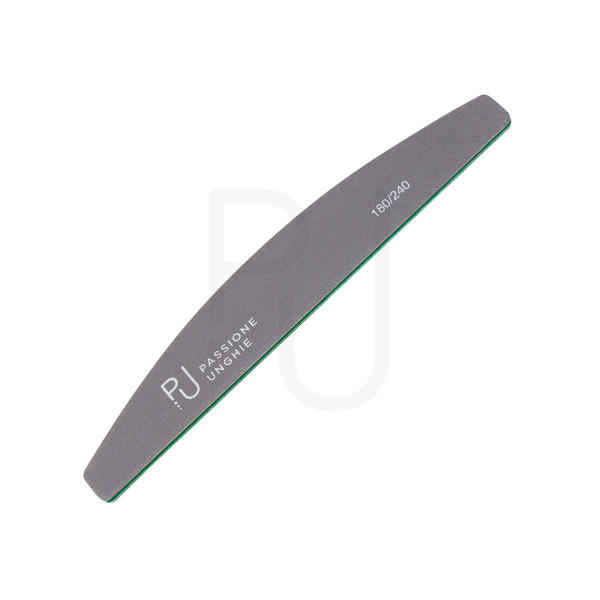
Lima 180/240 dal sito Passione Unghie

Buffer

I Buffer sono quelle lime più morbide, solitamente a forma di mattoncino. Anche questi presentano la grana, ma rispetto a le lime risulteranno sempre meno abrasive.

Di solito sono usati per opacizzare le unghie o per rimuovere i solchi. Io sconsiglio l’uso per l’opacizzazione perché a causa della loro consistenza più morbida, non permettono di raggiungere i punti di unghia più piccoli. Sono meno precise delle lime che invece ti permettono di decidere dove e come limare.

Ovviamente dopo qualche tempo di utilizzo, le lime diventeranno sempre meno abrasive e ci toccherà buttarle. Questo dipende sia dall’uso che ne facciamo, sia dalla qualità delle lime.

Manutenzione

Le Lime dovrebbero essere degli attrezzi strettamente personali. Mi spiego meglio.

Ad ogni cliente che serviamo, dovremmo usare delle lime nuove, per una questione di sicurezza.

Ad esempio i funghi si annidano nella polvere, soprattutto in quella delle lime. Se usiamo una lima che non sappiamo essere infetta su una cliente sana, molto probabilmente le trasmettiamo la micosi. Oppure involontariamente tagliamo una cliente che non sappiamo avere il sangue infetto, e poi provochiamo una ferita su un altra cliente sana che rischia l’infezione.

Non voglio spaventarvi dicendo ciò. Lo so che fare unghie sembra una cosa semplice, senza alcun rischio, ma ciò dipende dalla formazione e dalle competenze di un’operatrice. Bisogna mettere in calcolo anche tutte queste cose , a livello di igiene per ottenere un lavoro buono e professionale.

Allora vi state chiedendo qual è la soluzione a tutto ciò?

Una potrebbe essere quella di gettare via le lime per ogni cliente ma capite pure voi che sarebbe un investimento troppo grande.

Basterà semplicemente tenere da parte le lime in un sacchettino per ogni cliente, così si useranno solo quelle per la determinata persona. Oppure ancora si possono comprare le lime lavabili. Queste si possono immergere nel Peracetico, un liquido sterilizzante.

Consiglio

Dopo aver acquistato una lima nuova, sfregate i bordi contro un’altra lima, in modo da ammorbidirli e non rischiare di tagliare la pelle.

Fresa

Le lime sono un oggetto fondamentale però a lungo andare fare tutto con loro potrebbe essere molto faticoso ma soprattutto porta via molto tempo.

Ed è qui che entra in gioco la fresa. Non la approfondirò molto in questo articolo però voglio farvi capire le differenze.

La fresa è un attrezzo che funziona con la corrente e possiede un corpo dove inserire varie punte, che hanno compiti diversi. Azionando la fresa essa inizierà a far ruotare più o meno velocemente le punte. Dopo di che si può iniziare a lavorare. La fresa è molto più veloce e pratica però bisogna saperla usare perché sennò si rischia molto di più causare danni alla lamina ungueale. Spesso lima e fresa viaggiano accompagnate. Con la fresa si fa il grosso e più in fretta, con la lima si aggiustano i dettagli e si ha un maggiore controllo.

L’articolo è finito, spero di avervi spiegato chiaramente tutto ciò che c’è da sapere sulle lime. Ovviamente se avete delle domande fate pure e se questo post vi è piaciuto condividete e mettete mi piace.

Se questo articolo vi è piaciuto lasciate un like e condividete.

Non dimenticate di seguirmi su Instagram e sul mio canale YouTube!

Alla prossima!!

SOFIA